Elevate Your Space: Infusing Spiritual Serenity with Mandala Designs
In today's fast-paced world, creating a sanctuary within your home has become more important than ever. The spaces we inhabit directly influence our mental well-being, emotional stability, and spiritual growth. One of the most effective ways to transform your environment into a haven of peace and tranquility is through the incorporation of mandala designs. These ancient, sacred geometric patterns have been used for centuries across various cultures to promote healing, meditation, and spiritual awakening. At RylanVaughn, we believe that your living space should be a reflection of your inner self, a place where you can retreat from the chaos of daily life and reconnect with your spiritual essence.
Mandala designs offer a unique blend of aesthetic beauty and profound spiritual significance. Whether you're looking to create a meditation room, enhance your bedroom's peaceful ambiance, or simply add meaningful artwork to your living spaces, mandalas provide an elegant solution that transcends mere decoration. This comprehensive guide will explore how you can effectively infuse spiritual serenity into your home through thoughtfully chosen mandala designs, transforming your space into a personal sanctuary that nurtures your soul.
Understanding Mandala Designs and Their Spiritual Significance
The Origins and History of Mandalas
The word mandala comes from Sanskrit, meaning circle or completion. These intricate geometric patterns have their roots in ancient Hindu and Buddhist traditions, where they served as powerful tools for meditation and spiritual practice. Mandalas represent the universe in its entirety, with the center symbolizing the divine source and the radiating patterns representing the infinite expansion of consciousness and energy.
Historically, mandalas were created by monks and spiritual practitioners as part of their meditative practice. The process of creating a mandala was considered as important as the finished product, with each stroke and pattern holding deep spiritual meaning. In Tibetan Buddhism, monks would spend months creating elaborate sand mandalas, only to ceremonially destroy them upon completion, symbolizing the impermanence of all things and the release of attachment.
The use of mandalas extends beyond Buddhism and Hinduism. Similar circular, geometric patterns can be found in various cultures worldwide, from Native American medicine wheels to Islamic geometric art. This universal presence of mandala-like designs suggests a fundamental human need to create order from chaos and to connect with something greater than ourselves.
The Spiritual and Psychological Benefits of Mandalas
The power of mandalas lies not only in their visual beauty but also in their profound psychological and spiritual effects. When you gaze upon a mandala, your mind naturally follows the geometric patterns toward the center, creating a meditative state that calms racing thoughts and reduces anxiety. This natural eye movement helps to quiet the mind and promote a sense of inner peace.
From a spiritual perspective, mandalas serve as visual representations of wholeness and unity. They remind us that we are part of a larger cosmic order and that balance and harmony are fundamental principles of existence. Meditating on a mandala can help you align your personal energy with universal energy, promoting spiritual growth and self-awareness.
Psychologically, mandalas have been shown to reduce stress and promote emotional healing. The symmetrical patterns and balanced composition create a sense of order and stability, which can be particularly beneficial for those experiencing anxiety or emotional turbulence. The act of focusing on a mandala can help ground your consciousness in the present moment, a practice that is increasingly recognized by modern psychology as essential for mental health and well-being.
Choosing the Right Mandala Designs for Your Space
Identifying Your Spiritual Intentions
Before selecting mandala designs for your home, take time to reflect on your spiritual intentions and the energy you wish to cultivate in your space. Are you seeking peace and relaxation? Do you want to enhance your creativity and inspiration? Are you working on healing emotional wounds or developing greater self-awareness? Different mandala designs carry different energetic frequencies and can support various spiritual goals.
For those seeking peace and tranquility, mandalas with cool colors like blues, purples, and greens are particularly effective. These colors are naturally calming and promote relaxation. If you're looking to boost energy and creativity, mandalas featuring warm colors like reds, oranges, and yellows can invigorate your space and stimulate inspiration.
The complexity of the mandala design also matters. Highly intricate, detailed mandalas with many layers can be excellent for deep meditation and spiritual work, while simpler, more minimalist mandala designs can create a sense of clarity and focus. Consider your personal preferences and the specific needs of each room when making your selections.
Color Psychology in Mandala Design
Color plays a crucial role in determining the energetic impact of a mandala design. Understanding color psychology can help you select mandalas that align with your spiritual goals and the desired atmosphere of each room.
Red mandalas are associated with passion, energy, and grounding. They can help you feel more connected to the earth and your physical body, making them ideal for spaces where you want to feel energized and motivated.
Orange mandalas promote creativity, joy, and social connection. These designs are perfect for living rooms, creative studios, or any space where you want to encourage communication and positive social interaction.
Yellow mandalas are associated with clarity, optimism, and intellectual stimulation. They're excellent for home offices, study areas, or any space where you need to enhance focus and mental clarity.
Green mandalas represent healing, growth, and renewal. These designs are particularly beneficial for bedrooms, bathrooms, or any space dedicated to self-care and rejuvenation.
Blue mandalas promote calm, communication, and spiritual awareness. They're ideal for meditation rooms, bedrooms, or any space where you want to encourage peaceful reflection and inner wisdom.
Purple mandalas are associated with spiritual transformation, intuition, and higher consciousness. These designs are perfect for meditation spaces, spiritual altars, or any area dedicated to deep spiritual work.
Incorporating Mandalas into Different Rooms
Creating a Meditation and Spiritual Sanctuary
Your meditation space should be a dedicated area where you can retreat for spiritual practice and inner reflection. Mandalas are naturally suited to this purpose, as they serve as focal points for meditation and help to deepen your practice.
Consider creating a meditation corner with a large mandala artwork as the centerpiece. You might choose a framed mandala print, a canvas painting, or even a mandala tapestry that can serve as a backdrop for your meditation cushion. The mandala should be positioned at eye level when you're seated, allowing your gaze to naturally settle on it as you meditate.
Complement your primary mandala artwork with additional spiritual elements. A small altar with crystals, candles, and incense can enhance the sacred atmosphere. Soft lighting, such as Himalayan salt lamps or dimmable lights, can create an ambiance conducive to deep meditation and spiritual work.
You might also consider incorporating multiple mandalas of different sizes and colors to represent different aspects of your spiritual practice. For example, you could have a large mandala representing your overall spiritual journey, with smaller mandalas representing specific intentions or chakras.
Enhancing Your Bedroom with Mandala Energy
Your bedroom is your personal sanctuary, a place where you rest, dream, and rejuvenate. Mandala designs can transform this intimate space into a haven of peace and spiritual connection.
For bedroom applications, consider softer, more muted mandala designs in calming colors. A large mandala artwork above your bed can serve as a beautiful focal point while promoting restful sleep and peaceful dreams. Alternatively, you might choose a mandala tapestry to hang on the wall opposite your bed, creating a serene visual experience as you drift off to sleep.
Mandala bedding, including pillowcases and duvet covers featuring mandala designs, can infuse your sleeping space with spiritual energy while maintaining comfort and functionality. These pieces are available in various colors and designs, allowing you to choose options that align with your personal aesthetic and spiritual intentions.
Consider the placement of mandalas in your bedroom carefully. Avoid placing overly stimulating or complex mandalas directly in your line of sight from bed, as these might be too visually engaging for a restful environment. Instead, opt for simpler, more harmonious designs that promote relaxation and peaceful sleep.
Transforming Your Living Room into a Gathering Space of Harmony
Your living room is where you spend time with family and guests, making it an ideal space to infuse with mandala energy that promotes harmony, connection, and positive interaction.
A large mandala artwork can serve as a stunning focal point in your living room, drawing the eye and creating a sense of balance and order in the space. Consider placing it above a sofa or fireplace, where it can be appreciated by everyone in the room.
Mandala throw pillows and blankets can add comfort and spiritual energy to your seating areas. These functional pieces allow you to incorporate mandala designs without overwhelming the space, and they can easily be changed seasonally or as your preferences evolve.
You might also consider a mandala rug, which can define your living room space while adding warmth and spiritual significance. A mandala rug can anchor your furniture arrangement and create a sense of unity and harmony in the room.
Inspiring Creativity in Your Home Office or Studio
If you work from home or have a creative space, mandalas can help stimulate inspiration, focus, and creative flow. Mandalas featuring warm colors and dynamic patterns are particularly effective in creative spaces.
Position a mandala artwork where you can see it during breaks or moments when you need inspiration. The geometric patterns and balanced composition can help reset your mind and reignite your creative spark.
Consider incorporating mandala designs into your workspace in subtle ways, such as a mandala mousepad, desk organizer, or wall calendar. These functional items keep the mandala's energy present without creating visual clutter.
A mandala vision board, created by combining mandala imagery with images and words representing your creative goals, can be a powerful tool for manifesting your aspirations and maintaining focus on your creative intentions.
Bringing Serenity to Your Bathroom and Self-Care Spaces
Your bathroom is a space dedicated to cleansing and self-care, making it an ideal location for mandala designs that promote healing and renewal.
A mandala shower curtain can transform your daily shower into a meditative experience, surrounding you with sacred geometry as you cleanse your body and mind. Mandala bath mats, towels, and soap dispensers can extend this spiritual energy throughout your bathroom.
Consider creating a small altar or display area in your bathroom with mandala artwork, candles, and other spiritual items. This dedicated space can serve as a reminder to approach your self-care routine with mindfulness and intention.
Soft lighting combined with mandala designs can create a spa-like atmosphere in your bathroom, transforming it into a sanctuary for relaxation and rejuvenation. This is particularly beneficial if you enjoy taking baths or spending extended time in your bathroom for meditation and self-reflection.
Selecting and Displaying Mandala Artwork
Types of Mandala Artwork and Decor
The variety of mandala products available allows you to incorporate these sacred designs into virtually every aspect of your home. Understanding the different types of mandala artwork can help you make informed choices that align with your aesthetic preferences and spiritual goals.
Mandala paintings and canvas prints offer bold, impactful ways to display mandala designs. These pieces can range from small, intimate artworks to large, statement-making installations. Canvas prints are particularly popular because they're durable, easy to hang, and available in numerous sizes and color variations.
Mandala tapestries provide a versatile option for decorating walls, creating room dividers, or even serving as altar cloths. These fabric pieces are often more affordable than framed artwork and can easily be changed or repositioned as your preferences evolve.
Mandala wall decals and stickers offer a temporary, non-invasive way to incorporate mandala designs into your space. These are particularly useful if you're renting or prefer not to make permanent changes to your walls.
Mandala sculptures and three-dimensional artwork add depth and texture to your space. Wooden mandala carvings, metal mandala wall art, and crystal mandala formations can create visually interesting focal points while infusing your space with spiritual energy.
Mandala textiles, including throw pillows, blankets, curtains, and rugs, allow you to incorporate mandala designs into functional items throughout your home. These pieces add comfort and warmth while maintaining the spiritual significance of mandala imagery.
Framing and Presentation Considerations
The way you frame and present your mandala artwork significantly impacts its visual impact and the energy it brings to your space. Thoughtful presentation can elevate a simple mandala print into a powerful spiritual focal point.
Consider the frame style and material carefully. A simple, natural wood frame can complement mandala designs beautifully, creating a grounded, earthy aesthetic. Metal frames in gold or copper tones can enhance the spiritual and mystical qualities of mandala artwork. Ornate frames can work well with intricate, detailed mandalas, while minimalist frames suit simpler designs.
The mat color surrounding your mandala artwork should complement both the mandala design and your room's color scheme. A white or cream mat can create a clean, modern look, while colored mats can enhance specific colors within the mandala or tie the artwork into your room's overall palette.
Consider the size of your mandala artwork in relation to your wall space and furniture. A mandala should be large enough to make an impact but not so large that it overwhelms the room. As a general rule, artwork should take up about 50 to 75 percent of the wall space above a piece of furniture.
Lighting is crucial for showcasing mandala artwork effectively. Consider installing picture lights above framed mandalas to highlight the intricate details and colors. Natural light can also beautifully illuminate mandala designs, so consider the natural light patterns in your space when deciding on placement.
Creating a Gallery Wall of Mandalas
A gallery wall featuring multiple mandala artworks can create a stunning visual display while allowing you to explore different mandala designs, colors, and styles. This approach works particularly well in living rooms, hallways, or meditation spaces.
When creating a mandala gallery wall, consider mixing different sizes, frames, and styles to create visual interest and depth. You might combine framed prints with tapestries, sculptures, and three-dimensional artwork for a dynamic, layered effect.
Arrange your gallery wall thoughtfully, considering both the visual balance and the energy flow of the space. A central focal point, such as a large mandala, can anchor the arrangement, with smaller pieces arranged around it in a balanced composition.
Consider the color palette of your gallery wall. You might choose mandalas in a cohesive color scheme for a harmonious look, or mix complementary colors for a more vibrant, dynamic display. The arrangement itself can follow mandala principles, with pieces arranged in a circular or radial pattern that echoes the mandala's sacred geometry.
Combining Mandalas with Other Spiritual Elements
Integrating Crystals and Gemstones
Crystals and gemstones carry their own powerful energetic frequencies and can beautifully complement mandala designs. Combining these elements creates a multi-layered spiritual environment that amplifies healing and transformative energy.
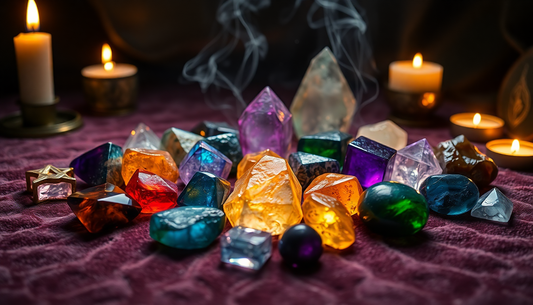
Place crystals around your mandala artwork to enhance and amplify its spiritual properties. For example, amethyst crystals placed around a purple mandala can deepen spiritual awareness and intuition. Clear quartz can amplify the energy of any mandala design, while rose quartz can enhance the loving, compassionate energy of heart-centered mandalas.
Consider creating a crystal grid using a mandala as the base. Place crystals at specific points on the mandala design to create a powerful energetic pattern that supports your spiritual intentions. This practice combines the geometric power of the mandala with the vibrational frequency of crystals for enhanced manifestation and healing.
Display crystals on shelves near your mandala artwork, or create a dedicated crystal altar that incorporates mandala designs. This arrangement creates a visually beautiful and spiritually powerful focal point in your space.
Incorporating Incense, Essential Oils, and Aromatherapy
The sense of smell is deeply connected to emotion and spiritual experience. Combining mandala designs with aromatherapy can create a multi-sensory spiritual experience that engages your entire being.
Burn incense near your mandala artwork to create a sacred atmosphere. Sandalwood, frankincense, and myrrh are traditional choices that enhance spiritual awareness and meditation. Lavender and chamomile can promote relaxation and peace, while citrus scents can energize and uplift.
Essential oil diffusers placed near mandala artwork can infuse your space with healing aromas throughout the day. Choose oils that align with your spiritual intentions and the energy you wish to cultivate in your space.
Create a sensory ritual around your mandala practice. Light incense, diffuse essential oils, and spend time gazing upon your mandala while focusing on your breath and spiritual intentions. This multi-sensory approach deepens your connection to the mandala's spiritual energy.
Creating Altars and Sacred Spaces with Mandalas
A personal altar is a dedicated space where you can focus your spiritual practice and connect with your higher self. Mandalas serve as perfect centerpieces for altars, providing a visual anchor for your spiritual work.
Arrange your altar thoughtfully, placing your mandala artwork or tapestry as the focal point. Surround it with meaningful objects such as crystals, candles, incense holders, spiritual books, and personal items that hold significance for you.
Consider the elements when creating your altar. Include representations of earth (crystals, stones), water (a small bowl or fountain), fire (candles), and air (incense or feathers). This balanced approach honors all aspects of creation and creates a harmonious, complete spiritual space.
Change your altar seasonally or as your spiritual practice evolves. Update the colors, crystals, and decorative elements